

Section 1
How does the type of plan affect the permanence of members?
Different membership plans lead to clear patterns in how long people stay. Flexible options like hot desk and part-time access tend to attract shorter commitments, while dedicated desks and private offices encourage longer stays. Members on virtual-only plans remain the longest, highlighting how higher-investment options foster stronger ties to a coworking space.
Over the past decade, stay lengths have risen steadily for every plan. A notable jump around 2020 kicked off a sharper increase, and by 2025 average tenures reached new highs across all memberships. This consistent upward trend points to growing stability and lasting connections between members and coworking spaces.
Key findings
How does the type of plan affect the permanence of members?
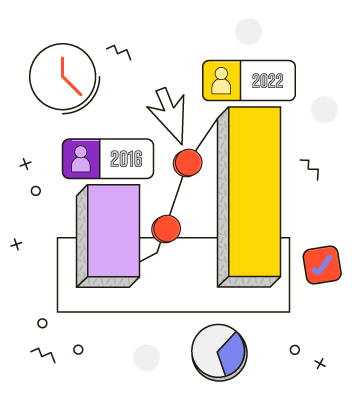
Virtual plan members remain the longest, with an average tenure of about 14 months, followed by private office members at around 12 months. Dedicated desk holders come next with roughly eight months. These higher-commitment options clearly lead to longer stays than more flexible plans.
Part-time and hot desk memberships both average about seven months, showing similarly brief engagements. This small difference suggests that lower-commitment offerings attract members looking for flexibility rather than long-term stays.
Evolution &user behaviour in the flexible workspace industry
Average membership lengths have grown steadily over the past decade, rising from about five months in early 2016 to nearly a year by the end of 2025. Growth accelerated during global disruptions around 2020, when average stays jumped from around seven months in early 2020 to above eight months by mid-year. This upward path continued through 2023 and 2024, pushing mean tenure past nine months, and reached almost twelve months by late 2025.
Different plan types followed similar upward trends. In 2016 most plans began at about five months of average membership. By 2025 dedicated desk members were staying nearly ten months, hot desk users around eight months, private office holders over twelve months, and virtual-only subscribers almost fifteen months.
Section 2
How does the user profile influence the permanence of members?
Member tenure trends reveal a clear link between age and length of stay: older professionals tend to remain longer across all membership options. Virtual plans see the most sustained commitments, followed by private office arrangements, while dedicated and hot desk users record moderate stays and part-time patrons the briefest durations.
A similar consistency emerges when comparing bookings through coworking companies and independent freelancers. Both groups average nearly a year of membership, with virtual and office plans leading the way and more flexible seating options showing shorter tenures. The upcoming analysis will explore these patterns in detail.
Key findings
How does the age of members affect their tenure?
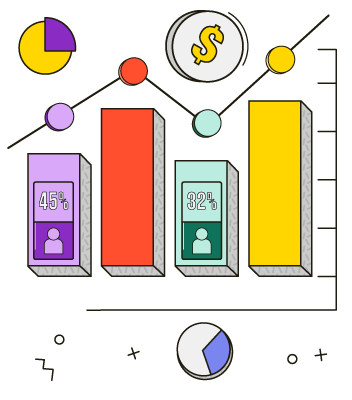
Tenure tends to rise with age across different membership options. For dedicated desk users, average stays grow from about five months among the youngest to roughly nine months by the 45–54 group, before dipping slightly. Hot desk members see a small drop from eight to seven months in their mid twenties, then climb steadily to around ten months by retirement age. Virtual memberships show the strongest loyalty, moving from about eight months for the youngest to roughly fifteen months among the oldest.
Office memberships enjoy a sharp early gain—rising from about eight months for the youngest to around twelve months in the next age bracket—then edge up to about thirteen months by the oldest group. Part-time tenure follows a smooth upward path, from about five months initially to close to nine months for those over fifty, with no reversals. Overall, older members remain longer no matter which membership type they choose.
How does tenure compare between freelancers and teams?
Overall, the average length of membership is nearly the same for those booking through coworking companies and independent freelancers. Company-affiliated members stay for about ten months on average, while freelancers last roughly eleven months, showing almost no gap in how long each group remains.
When looking by membership type, longer commitments are seen in virtual and private office plans. Virtual seats see the highest tenure at around fourteen months for both groups. Office bookings show freelancers staying about twelve months versus ten months for teams, marking the largest difference. Other plans—dedicated desks and hot desks—cluster near eight and seven months respectively, and part-time arrangements see teams at eight months and freelancers just over seven.
Section 3
Evolution & User Tenure by Coworking Size
In recent years, membership lengths in coworking spaces have shifted noticeably across companies of different sizes. Smaller spaces tend to sustain longer stays, while larger venues see shorter visits overall. During this period, average tenures have climbed steadily—from just a few months before 2020 to over a year by 2025—highlighting growing confidence and evolving work habits in the flexible workspace industry.
Those on basic plans and younger users often move on more quickly, while longer-term options and more seasoned professionals stay longer, and individual members consistently outlast teams—especially in larger spaces. These insights set the stage for the detailed analyses that follow.
Key findings
Mean tenure by membership type
In the smallest coworking companies, virtual members average about 17 months of tenure, office about 14, and entry-level plans near 10 months. As operators expand to the next tier, tenures contract modestly – virtual dips to 15 months and entry-level to around 9 – pointing to tighter retention differences.
In mid-sized companies (100–250 members), average stays fall to about 14 months for virtual and 12 for office, with part-time and hot desk plans below 8 months. In the largest operators, core offerings settle at roughly a year, while entry-level choices drop to around 6 months.
Evolution of tenure
In the smallest cohort (0–40 members), average member duration held around seven to nine months through 2020, then climbed steadily after 2021 to reach about eighteen months by early 2025. Mid-sized operators (41–100 members) followed a similar path, rising from roughly seven months in 2016 to plateau around fifteen months by 2023 and peaking near nineteen months at the end of 2025.
Spaces with 100–250 members saw tenures grow from about five months in 2016 to the mid-teens by 2025, with a notable jump during the pandemic period and a peak around seventeen months in spring 2025. The largest operators (above 250 members) started with the shortest stays—just over three months—and increased gradually to about ten months by late 2025, showing a steady upward trend without steep swings.
Mean tenure by age
In coworking companies with up to 40 seats, average membership begins at around six months for those under 25 and then jumps to about 11 months for the 25–34 group. After this initial rise, tenure grows more gradually, reaching roughly 14 months among the oldest members. In midsize portfolios of 41–100 seats, newcomers start at around 11 months and see little change through early adulthood, before tenure climbs to just over a year in the senior cohort.
Among operators managing 101–250 seats, the youngest users stay for about nine months, and this increases steadily to around 12 months for those over 55. The largest coworking firms, with more than 250 seats, mirror this pattern but feature a sharper first jump—from about six months for the youngest to nearly ten months for the next age bracket—followed by more modest gains up to around a year.
Average length of stay by coworking size
Tenure steadily declines as coworking companies grow: in the smallest operators (up to 40 seats), average stays reach about thirteen months, while in the largest venues (over 250 seats) they fall below ten months. Mid-sized spaces show a gradual slide as well, holding roughly twelve months in operators up to 100 seats and around eleven months in those up to 250 seats.
Individual members consistently stay longer than company teams across every size bracket, outlasting teams by a few weeks in intimate spaces and by about a month in the largest operators. This widening gap highlights that very large coworking companies face greater challenges keeping teams on board compared with freelancers.